

Best Trenchless Drainage Installation in Fairfax, SC
Trenchless drainage installation services in Fairfax, SC. Install complete underground drainage systems with zero damage to your yard, driveway or landscaping. Call (855) 733-0367 for free estimates & same-day service. Licensed, insured & trusted local contractors. 24/7 emergency service.
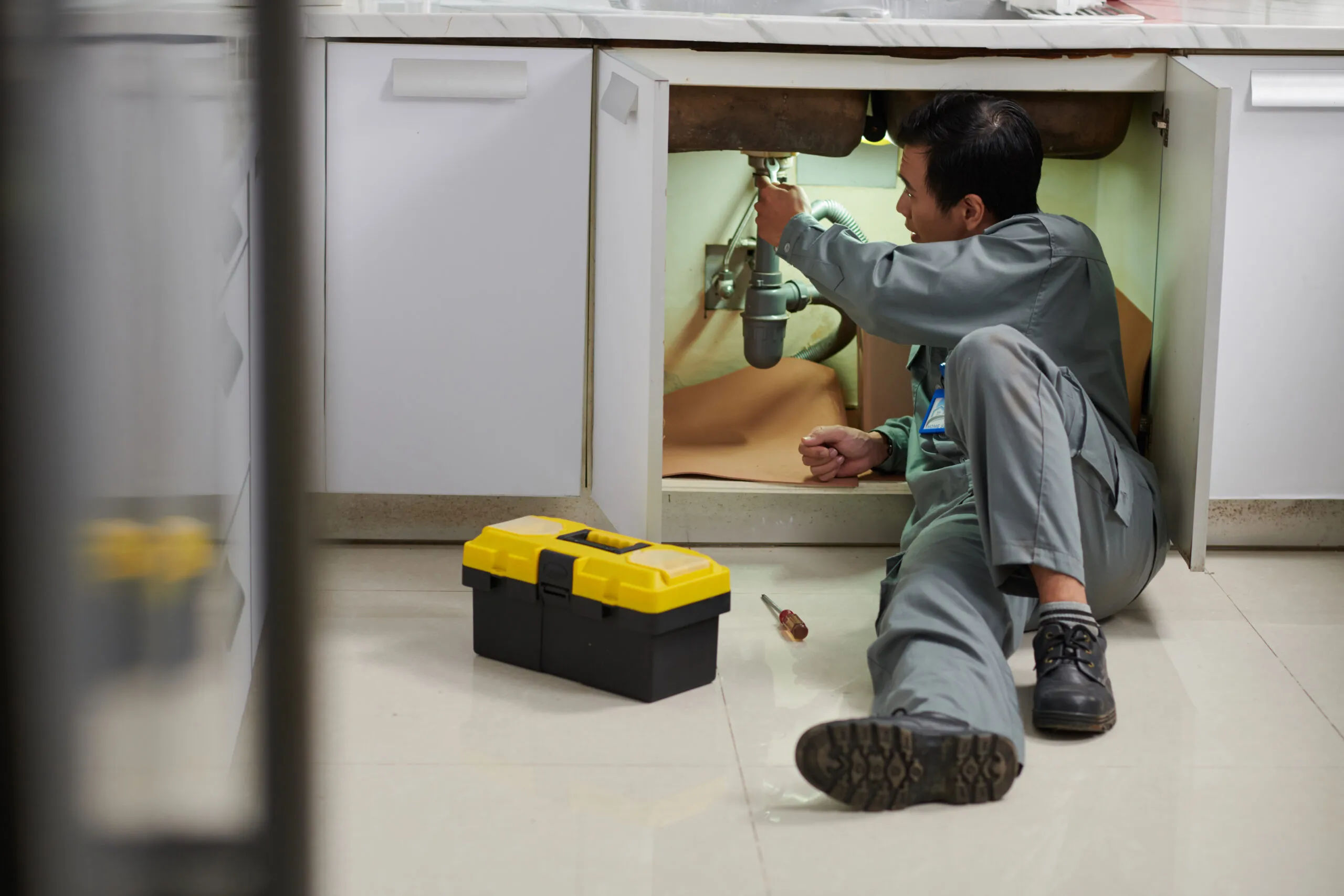

Trenchless Drainage Installation Services in Fairfax
Standing water in the yard, a soggy lawn that never dries, runoff pushing toward the foundation, or a downspout that dumps right at the wall: these problems need somewhere for the water to go. The usual fix is a trench, and a trench across a driveway, walkway, patio, or mature landscaping is exactly what most owners want to avoid. Mike The Plumber Wichita installs trenchless drainage for Fairfax homeowners, businesses, and property managers. We bore or push the drain line underground where it needs to cross, and use small, targeted access points instead of long open trenches.
What Is Trenchless Drainage Installation?
Trenchless installation means placing a drain pipe underground without opening a continuous trench along its path. Instead of digging a long ditch, we make an entry point and an exit point, and run the pipe between them below the surface. That makes it a good fit when the route crosses something you don't want to break up.
Common trenchless methods include:
- Directional boring: A drill head is steered underground along a planned path, then the pipe is pulled back through the bore
- Pipe pushing or boring: A pipe or casing is driven horizontally under a short obstacle like a sidewalk or driveway
- Mole or impact methods: A tool compacts a path through the soil for shorter, smaller-diameter runs
We choose the method based on soil, depth, length, and what's on the surface.
Common Situations Where Trenchless Works Well
- Crossing a driveway or sidewalk: Moving water from one side to the other without cutting concrete or asphalt
- Running a line under a patio, deck, or retaining wall: Reaching a discharge point on the far side
- Protecting mature trees and landscaping: Staying clear of roots and established beds
- Connecting downspouts and yard drains to a discharge point: Where the route passes under hardscape
- Reaching a storm drain, ditch, or daylight outlet: Across roads, easements, or neighboring structures where allowed
- Fixing recurring puddles on finished properties: Where a trench would cost more in restoration than the drainage itself
- Commercial lots and shared properties: Parking areas, loading zones, and multi-unit sites where downtime and surface repair are costly. See Commercial Plumbing Repairs.
Signs Your Property Needs Better Drainage
- Water ponding in the yard for a day or more after rain
- Soggy ground or moss along the foundation
- Damp or flooded basement or crawl space after storms. See Flooded Basement Pumping Services.
- Erosion, washed-out soil, or gullies where runoff flows
- Water running toward the house instead of away from it
- Driveway, walkway, or patio that floods or ices over
- Gutters and downspouts that discharge too close to the building
- Cracks or settling near areas that stay wet
- Mosquitoes and algae in low spots
Drainage Systems We Install in Fairfax
- Downspout drain lines: Pipes that carry roof runoff away from the foundation
- Catch basins and area drains: Collect water from low spots and send it to a discharge line
- Channel and trench drains: For driveways, patios, and entries where water flows over hard surfaces
- French drain connections: Perforated pipe in gravel to collect groundwater, tied into a solid discharge line
- Culvert and crossing lines: Moving water under drives, paths, and easements
- Dry wells and soakaway systems: Underground basins that let water soak into the ground, where soil and code allow
- Sump pump discharge lines: A reliable path for water pumped from the basement
- Daylight and storm outlet connections: Linking your system to a legal discharge point
- Commercial and HOA drainage: Larger runs, multiple inlets, and shared systems
A Realistic Note on Trenchless Limits
Trenchless methods are strong for crossing obstacles, but they aren't the answer to every drainage job. Open, shallow drains like swales, surface grading, or a basic French drain across open lawn can be simpler and cheaper to trench. Very shallow runs, rocky or heavily cobbled ground, and drains that must collect water along their whole length may suit a trench better. We'll tell you plainly which method makes sense for each part of your project, and sometimes the best design combines both.
What Makes Drainage Work: Slope and Discharge
A drain line only works if water can flow all the way out.
- Fall (slope): Gravity drains need a steady downward grade from inlet to outlet. Too flat, and water sits in the pipe.
- Discharge point: Water must end up somewhere that is allowed and safe, such as a storm drain, ditch, daylight outlet, or dry well. You generally can't send it onto a neighbor's property or into the sanitary sewer.
- Pipe size and material: Matched to the flow, soil, and depth
- Cleanouts and access points: Letting the line be flushed and inspected later
- Soil and groundwater: Clay holds water, sand drains quickly, and a high water table changes the design
If your property has little natural fall, we may use a sump basin and pump instead. We'll explain the trade-offs.
Safety, Permits, and Utilities
- Call 811 before any boring. Gas, water, electric, and communication lines are buried across most properties, and locating them is essential before drilling.
- Permits and codes: Drainage discharge, work near streets, and connections to storm systems are often regulated. Our Plumbing Code Compliance team helps with permits and inspections.
- Existing lines: Water, sewer, and well lines cross many yards. If your property has them, see Plumbing for Outdoor Water Lines and Pipe Relining.
- Septic systems: Drainage near tanks and drain fields must be planned carefully. See Septic Tank Pumping.
How Trenchless Drainage Installation Works
- Call (855) 733-0367: Tell us where water collects and where you'd like it to go.
- Site visit: We look at slopes, soil, surface features, downspouts, and possible discharge points.
- Utility locate: Underground lines are marked before any digging or boring begins.
- Design and quote: You get a clear plan and an upfront price.
- Access points: We open small entry and exit pits instead of a long trench.
- Boring or pushing: The drain path is created below the surface, and the pipe is installed.
- Connect and test: Inlets, basins, and outlets are connected, and we run water through the system to check flow.
- Restore: Small pits are backfilled and the surface is tidied. You get a walkthrough and care tips.
Trenchless Drainage vs. Other Trenchless Services
These are related but different:
- Trenchless drainage installation (this page) creates a new path for surface or groundwater to leave your property
- Trenchless Sewer Line Replacement replaces a failed sewer line using pipe bursting or lining
- Pipe Relining repairs an existing damaged pipe from the inside
- Storm Drain Cleaning clears existing storm lines and inlets that are blocked
If you already have drains but they back up, cleaning or relining may be the better first step. If you have no drainage path, or the existing one can't reach where you need, new installation makes sense.
Keeping Your Drainage Working
- Keep inlets, grates, and catch basins clear of leaves and debris
- Make sure gutters and downspouts are clean and connected
- Check outlets after heavy storms for clogs, erosion, or sediment
- Have drain lines cleaned periodically, with HydroScrub Drain Jetting or Clogged Drain Repair when flow slows
- Avoid parking heavy equipment over shallow lines
- Don't connect drainage to a sanitary sewer or septic line unless a code-approved design says so
- If a sewer or drain smell appears around a basin or cleanout, see Sewer Odor Removal
What Affects the Cost?
Cost depends on the length and depth of the run, soil and rock conditions, the boring method, the number of inlets and outlets, pipe size and material, permits, discharge connections, and how much surface restoration is needed. Trenchless installation often costs more per foot than an open trench, but can cost less overall when trenching would mean breaking concrete or replacing landscaping. You get an upfront quote before work begins.
FAQs
Is trenchless drainage installation better than digging a trench?It depends on the route. Trenchless is usually better when you must pass under a driveway, patio, walkway, or valuable landscaping. For open lawn and shallow runs, a trench can be simpler and cheaper.
How deep does the drain line go?It varies with the slope, the obstacle being crossed, and local requirements. We design the depth to maintain proper fall and clear other utilities.
Where does the water go after it leaves my property drain?To an approved discharge point such as a storm drain, ditch, daylight outlet, or dry well. The right option depends on your lot and local rules.
Can trenchless installation be done if my yard is flat?Often yes, but a flat site limits gravity flow. A sump basin with a pump can solve it, and we'll tell you which approach fits.
Do I need a permit for new yard drainage?Often, especially when work touches a street, a storm system, or another property. We can help you understand what's needed in Fairfax.
Professional Trenchless Drainage Installation in Fairfax, South Carolina

Services Provider

Order Served

5 Star Received

Best Trenchless Drainage Installation in Fairfax, SC
Best Emergency Plumber in Fairfax
When a plumbing emergency strikes your Fairfax home, the Palmetto State's subtropical humidity, hurricane-season flooding, and aging Lowcountry infrastructure make a fast, qualified response more critical than ever. Mike The Plumber Wichita knows these conditions firsthand — and we're ready around the clock to protect your home before water damage takes over. Fairfax families deserve a plumber who shows up, fixes it right, and backs every job with a guarantee.
• 24/7 Emergency Response — day or night, we're always ready when Fairfax needs us most
• Licensed & Insured Professionals — fully compliant with South Carolina state plumbing regulations
• Transparent Pricing — no hidden fees, no surprise charges, no exceptions
• Same-Day Service — because South Carolina plumbing emergencies in Fairfax simply cannot wait
• Guaranteed Workmanship — every repair backed by our 100% satisfaction guarantee
• South Carolina Climate Expertise — trained to handle hurricane flooding, subtropical pipe corrosion, and Lowcountry infrastructure failures
• Highly Rated by Fairfax Customers — trusted by hundreds of satisfied South Carolina homeowners
Trenchless Drainage Installation in South Carolina Cities
Abbeville / Aiken / Allendale / Anderson / Andrews / Awendaw / Aynor / Bamberg / Barnwell / Batesburg / Beaufort / Beech Island / Belton / Bennettsville / Bishopville /